Find Your Fit: Local Martial Arts at Condition 1 Combat Center
Martial arts is not just another workout, it is a way to build reliable skills under pressure. It tightens up your stance and your schedule at the same time. You get stronger, you learn to breathe when tired, and you become part of a community that measures effort by rounds and mat time, not vague promises. If you are searching for martial arts classes near me and you live or work near Spring, Texas, Condition 1 Combat Center is built for practical progress. The gym balances conditioning with technical instruction, and it welcomes complete beginners right alongside seasoned athletes. You will see kids drilling footwork with focus, adults finding their rhythm in pad work, and families who schedule training like any other important appointment.
I have watched many students take a first nervous step onto the mats and then, three months later, help a newcomer tie a white belt. That shift, from uncertain to useful, happens when the program design is honest, coaching is consistent, and attendance stays regular. This is the lane Condition 1 keeps.
What local training does that videos cannot
Online tutorials are plentiful. None of them pull with you on a collar tie or time their counters off your actual speed. Local martial arts classes give you partners, corrections in real time, and a coach who sees your habits under fatigue. In Spring, TX you also get practical details that matter on a Texas schedule. Traffic windows, school pickups, weekend tournaments, and heat that changes your hydration plan. A gym that lives in your routine has a better chance of sticking for the long term.
At Condition 1 Combat Center, the training blocks run with purpose. Warm ups look like the movements you will need later, not a random mix. The sparring rounds are scaled by experience, which keeps white belts excited instead of rattled. And the coaching staff uses plain language. If a guard pass is failing, you will hear why and what to fix, not just see it once and hope to remember.
A quick look at the facility and vibe
A practical martial arts gym has a certain feel the first time you walk in. You should hear pads popping, not people waiting. You should see enough mat space to move safely, and flooring that has some give without staying squishy. At Condition 1, the mats are clean and the layout is set so that classes can run without crowding each other. The front desk handles the small frictions that break momentum, like getting you sized for gloves or making sure your waiver is on file before class starts.
The crowd is mixed, and that matters. When a room holds kids martial arts classes next to adult martial arts classes, the culture stays respectful. Parents watch how coaches talk to their children, which keeps standards high. Adults see their own kids learning discipline and find themselves training more consistently. Family martial arts classes create cross accountability you do not get when everyone scatters to separate hobbies.
Who thrives here
I have seen four types of students settle in fastest at Condition 1 Combat Center. The first is the person new to training who wants an on ramp that does not feel like a boot camp. Beginners martial arts classes are carved out for that exact reason. You learn stance, you learn how to protect your hands and wrists on day one, and you build round by round.
The second is the parent who needs after school martial arts classes that start on time and keep kids moving. Punctuality is more than courtesy when you are juggling homework and dinner. Kids classes at Condition 1 begin with movement games that build coordination without letting the room get chaotic, and they end with a simple focus drill so energy comes down before pickup.
Third, adults who used to play sports and now want a clear challenge that fits a workweek. They want measurable progress in conditioning and skill. Pad work, partner drills, and positional rounds deliver that. Fourth, families who prefer training under one roof. Many weeks I see a 5 pm kids class roll right into a 6 pm adult session, with a quick handoff of water bottles and high fives. A gym that supports that rhythm is a gym that stays in your life.

What a first week looks like
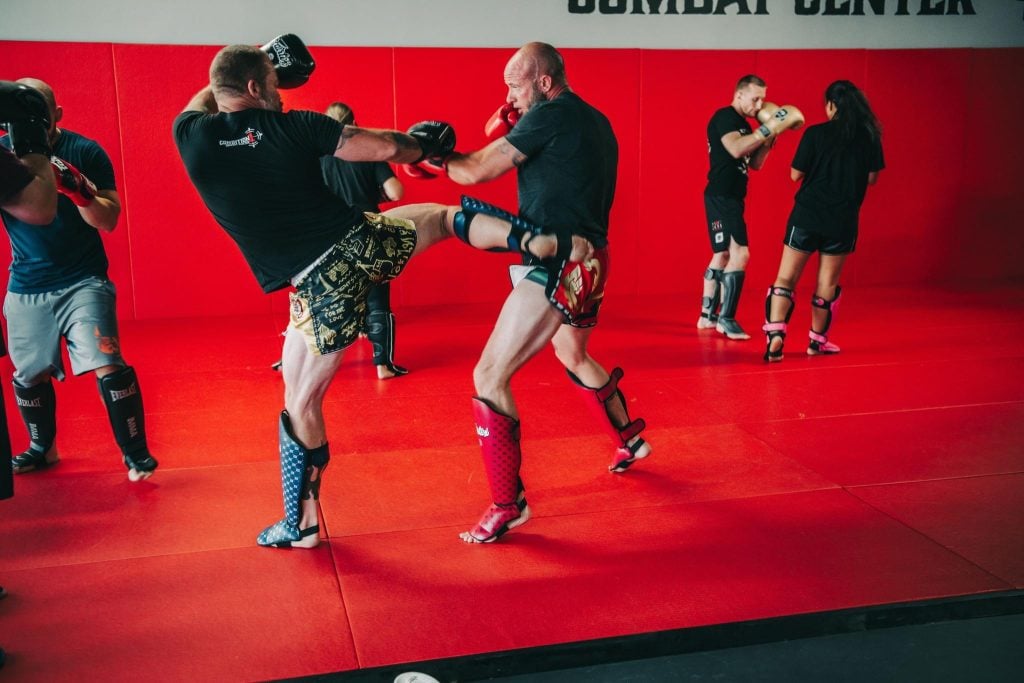
Your first class usually begins with a short tour, a coach asking about prior injuries, and a checklist to make sure you have the right gear. Expect a 10 minute warm up that mirrors the work ahead. If it is a striking class, think jump rope, ladder footwork, and light shadowboxing. In grappling, think hip escapes, bridges, and sit outs. Coaches at Condition 1 keep the first round of drills deliberately simple. It is better to repeat a solid one-two combination or a basic guard retention sequence than to spray new students with techniques they cannot retain.
In the middle of class the intensity climbs. You might move from pad work to controlled partner drills, or from drilling a takedown to short positional rounds that start from the clinch. New students can opt out of hard contact. You earn trust by building good habits, not by being thrown into deep water. The last ten minutes bring it down with core work and mobility. Most people leave with a sweat line on the mat and enough mental notes to feel both proud and curious.
By the end of week one, a beginner should know how to make a fist, how to stand without crossing feet, how to keep a chin tucked, and how to tap quickly on a submission hold. These are small, concrete skills that prevent most early mistakes.
Programs that match real schedules
A common barrier is time. Local martial arts classes have to fold into school and work hours or they will not last. At Condition 1 Combat Center, the timetable stacks kids sessions in the late afternoon and early evening, with adult blocks before or after typical commute windows. Weekend martial arts classes offer a safety net when the week goes sideways. Small group or private martial arts classes are available for people who want focused work on a specific skill, or who need coaching that matches shift work.
Families often start with two days per week. Three tends to produce faster progress, especially when a weekend slot is used for review and light sparring. The trick is to find a cadence you can hold for 12 weeks, since that is when changes in coordination and conditioning become obvious.
Safety first, so progress can compound
Injuries derail consistency, which is why I pay attention to how a gym talks about contact. Condition 1 sets sparring expectations clearly. Beginners do not free spar in week one, and when they do start, rounds are matched by size and experience. Striking classes use headgear when contact rises, and drills have specific goals so partners do not improvise recklessly. Grappling rounds begin in defined positions. Taps get respected. Coaches step in quickly when pace or power drifts above what was requested.
Equipment checks are routine. Gloves should not feel like bricks. Shin guards should be snug without crushing calves. On the grappling side, clean mats and short fingernails prevent the most common problems. Safety rules are not a buzzkill, they are the scaffolding that lets you push hard inside the lines.
Coaching that turns effort into skill
Good instruction trims wasted motion and teaches people to feel leverage rather than muscle everything. The coaching crew at Condition 1 mixes demonstration with guided reps. You will see a technique broken into chunks, then recombined at speed. Corrections are specific. Instead of hearing, keep your hands up, you will hear, your rear hand drops during the slip, pin it to your cheek between punches. That level of detail speeds learning.
A small anecdote illustrates the approach. A mid 40s student with a desk job struggled with pivoting on his lead foot. He kept throwing a hook that dragged behind him. Rather than drilling the hook endlessly, the coach had him throw shallow shovel hooks while standing next to a wall that blocked overrotation. Two rounds later, the pivot freed up and his weight transfer snapped into place. Smart constraints beat long lectures.
How beginners build confidence
Beginners feel clumsy, and that is not a defect. It is an honest response to novelty. Condition 1 reduces that stress with progressive exposure. Day one might cap partner contact and focus on pad accuracy. By week three, beginners take on a controlled drill with a partner who feeds predictable attacks. Confidence spikes when you can read a pattern and respond on time. In grappling, positional sparring starts from a neutral or slightly safe spot, such as closed guard with grips established, so new students work on a plan rather than fighting panic.
Students are encouraged to keep a short training log. Three lines will do. What felt better today, where did I stall, what one cue helped? Inside of a month those notes become a map of improvement.
Kids classes without chaos
Parents want discipline that is kind, not harsh. Kids respond to clear structure and short feedback loops. At Condition 1, coaches use simple rules that everyone can remember. Hands to yourself until the drill starts. Eyes on coach. When the timer beeps, freeze. Warm ups hide coordination drills inside games. For example, a game of tag that requires lateral movement and balance also primes the body for stance and sprawl.
Behavior standards are reinforced with praise tied to actions, not vague compliments. You hustled back to your line when time was called is better than good job. The difference shows up when the room gets excited. Kids know exactly what earns a nod from the coach. Progress is tracked with skill checks rather than just belt colors. That keeps the focus on what a child can actually do.
Adults who want fitness that matters
Many adults are tired of counting reps without context. Striking pads for 10 crisp rounds will burn more calories than most steady cardio sessions, and it builds timing and posture along the way. Grappling rounds teach you to keep calm under pressure, which translates to daily life when a boss drops a deadline on your desk. At Condition 1, conditioning segments use movements that feed back into technique. Think loaded carries for grip endurance, sled pushes for explosive drive, and tempo push ups that mimic the shoulder stability needed for frames on the ground.
A realistic expectation for busy adults is two to three sessions per week. Inside of six to eight weeks, most see better sleep, lower resting heart rate, and a noticeable jump in energy. The mirror follows, but performance leads.
Value, pricing, and what affordable really means
Affordable martial arts classes are not simply the cheapest option. They are the classes that deliver useful outcomes per dollar and help you stay consistent. Hidden fees, long contracts, or mandatory gear purchases can turn a budget option into a headache. Condition 1 keeps pricing transparent. Memberships typically vary by access level, such as two days per week, unlimited classes, or family bundles that discount additional members. Private martial arts classes are priced separately and make sense for targeted goals or tricky schedules.
If you need to test fit before committing, look for a trial week or a drop in rate that does not pressure you. A good gym bets that the experience will sell itself. Visit condition1combat.com for current schedules and membership details, and ask about family rates if you plan to train together. Costs in the Spring, TX area are generally competitive with other coached fitness programs, often less than what boutique studios charge for unlimited access.
What progress looks like at 30, 60, and 120 days
The timeline matters. At 30 days, you should feel less lost in class. Stance feels natural, your hands return to guard without thinking, and you can shadowbox a basic combination without tangling your feet. In grappling, you know how to shrimp, bridge, and stand up safely. At 60 days, conditioning hits a stride. Your heart rate settles faster between rounds, and partners start to notice that your timing is tighter. You can hold specific positions with intent rather than flailing.
By 120 days, something changes in how you carry yourself. You are no longer surprised by common patterns. You can teach a newer student how to wrap hands or tie a belt. That social step is not about status, it is about ownership. You are part of a room that raises its own floor.
How to choose the right program at Condition 1
Here are five quick checks that help you find a class track that fits your goals and schedule:
- Match the program to your life stage, kids martial arts classes for ages that align with attention span, adult martial arts classes for general fitness and skill, or family martial arts classes when you want a shared routine.
- Decide your contact comfort, beginners martial arts classes start with controlled drills, while advanced sessions include more live rounds.
- Pick frequency you can keep, two days per week builds a base, three accelerates progress, weekend martial arts classes help catch up.
- Consider add ons only if they serve a goal, private martial arts classes are ideal for technique debugging or shift workers.
- Verify commute and start times, local martial arts classes only work if you arrive calm, not rushed and stressed.
The hidden curriculum, reliability and respect
Technique brings people in, but the hidden curriculum keeps them. You learn how to show up on hard days. You learn to listen when your partner talks through what they felt in a drill. You learn to control power, which is a lesson bigger than the mat. I have watched teenagers stand taller after a semester of after school martial arts classes, not because they learned to fight, but because they learned to focus in a room where focus matters.
Respect here is built, not demanded. Coaches shake hands. Partners thank each other for rounds. When someone makes a mistake, the correction is specific, not personal. If a junior student gets frustrated, a coach will often pair them with a calm partner and simplify the drill rather than scold. The culture is set by countless small choices like these.
Common concerns, answered with candor
People worry about getting hurt, being out of shape, or feeling out of place. Reasonable fears. The best fix is structured exposure. Start with a trial. If tying your shoes after class is hard, that is your body telling you it worked. If you cannot walk the next day, the intensity was off, and that is a coaching conversation. Reputable gyms prefer long term members to one time heroes.
Another concern is time away from family. This is where a gym like Condition 1 that offers layered schedules and family options helps. When both a parent and child train, weeknights shift from screen time to mat time. Dinner gets a little later, but sleep often gets better. The trade is worth it.
Cost is the last common objection. Frame it next to what you get. Coached sessions, community, and a skill that holds under stress. Compare that to subscriptions that keep charging without changing your day. Most students who stay find that a consistent practice solves problems money cannot touch.
What to expect from a private session
Private coaching is not a luxury item for pros. Many students book a 30 or 60 minute slot to iron out a single issue. Maybe your cross drifts offline. Maybe you cannot finish a single leg after getting the leg up. A private at Condition 1 sets one target, films a few reps for feedback, and then builds a two week homework plan. You leave with two or three drills you can drop into warm ups or shadow rounds. The value is in precision.

A checklist for your first visit
Use this short list to make day one smoother.
- Arrive ten minutes early, sign waivers, wrap hands, and meet your coach.
- Bring water and a small towel, Texas heat is real and the mats ask for sweat.
- Tell the coach about old injuries, a good plan works around them.
- Start light on sparring offers, say yes only when you feel ready.
- Ask one question after class, small clarity now prevents big confusion later.
Real results, local stories
A few small snapshots from students who stuck around. A nurse on a 3 day shift schedule used weekend sessions to keep momentum. Over six months, she dropped her 5K time by three minutes, without a single jog outside class. The conditioning and footwork carried over. A father who joined after watching his daughter in kids class went from two days per week to three, and after four months reported less back pain and better patience on rough workdays. A high school athlete used after school martial arts classes to build hip mobility that later helped his sprint starts. None of them became someone else. They became a sturdier version of themselves.
Getting started without overthinking it
If you are sifting through search results for Condition 1 Fitness classes in Spring TX or you found condition1combat.com while looking for local options, the next step is simple. Pick a beginner friendly class, commit to two sessions next week, and show up. Do not wait to feel ready. Readiness grows from reps. Once you hit your second week, ask a coach which combat center additional class would pair well with what you like. If striking clicked, try a movement class to sharpen footwork. If grappling hooked you, add a drilling hour to build repetition.
Take a photo on your first day. Take another at 90 days. The mat will tell the story in the space between those two pictures. And that story, written with sweat and small wins, is the real promise of a good martial arts school.
Why Condition 1 stands out in Spring, TX
Plenty of gyms teach techniques. Condition 1 Combat Center keeps a clean floor, starts on time, teaches with clarity, and treats each member as a long term project. It blends conditioning you can feel with skills you can use. It supports kids who need structure, adults who want a meaningful workout, families who want a shared habit, and beginners who want to learn without feeling judged. The schedule accommodates weekdays and weekends, and private options cover unusual hours or specific goals.
If you are still on the fence, walk in and watch one round. Not a demo, just a normal round in the middle of class. Listen for clear coaching, look for safe control between partners, and notice whether the room feels focused rather than frantic. That quick observation often tells you more than any sales pitch.
When you are ready, visit condition1combat.com for details, search terms like martial arts classes near me or Condition 1 Fitness classes in Spring TX if you need directions, and drop by for a trial. Tie your belt, wrap your hands, and let the first bell set your pace. The rest is repetitions, and those repetitions add up faster than you think.